FROM THE KENNEL
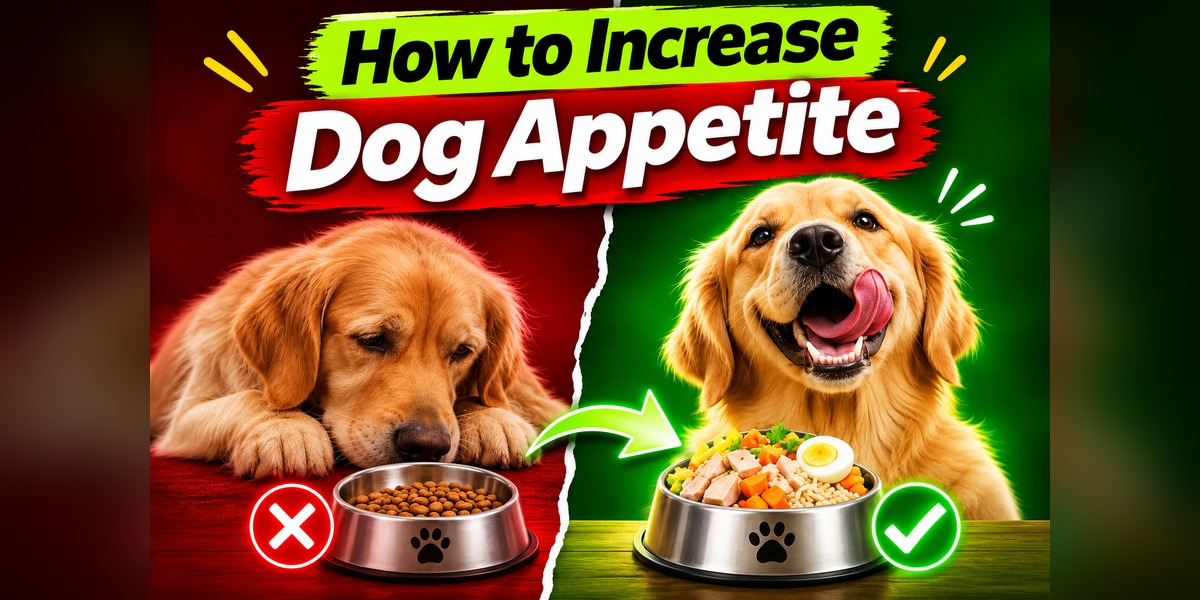
How to Increase Dog Appetite: 10 Effective Tips
How to Increase Dog Appetite: 10 Effective Ways to Make Your Dog Eat Better
Is your dog suddenly losing interest in food? Does your dog refuse regular meals but happily accept treats? Or do you find yourself trying different foods every day just to make your furry friend eat?
1. Establish a Fixed Feeding Schedule
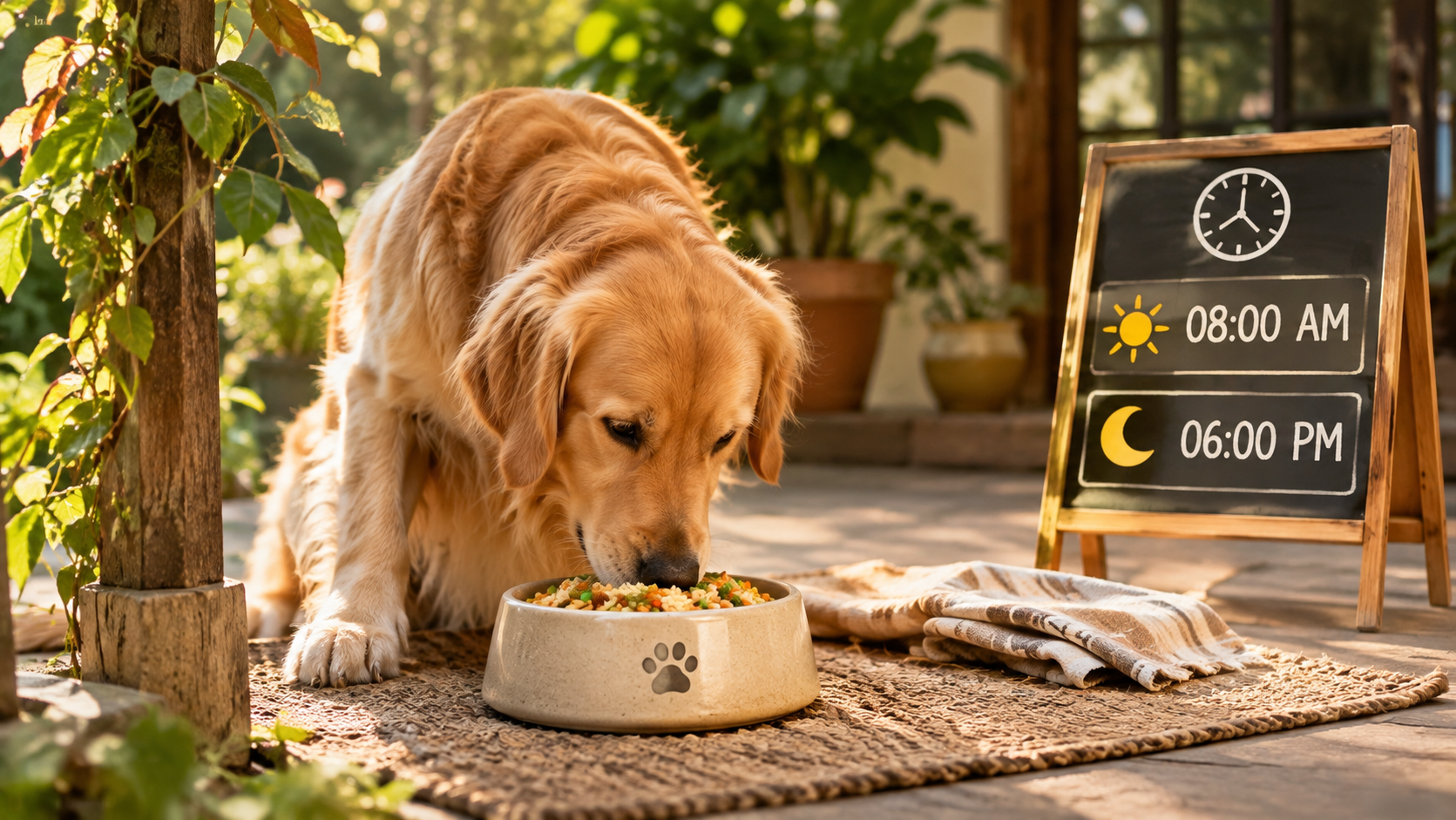
Dogs benefit from a predictable daily routine.
Instead of keeping food available throughout the day, offer meals at consistent times.
For example:
- Morning: 8:00 AM
- Evening: 6:00 PM
Offer the appropriate portion and allow your dog a limited period to eat.
For healthy adult dogs, a consistent mealtime routine can help establish better eating habits.
Remember that puppies, senior dogs, and dogs with medical conditions may need a different feeding schedule.
2. Choose High-Quality, Complete and Balanced Food
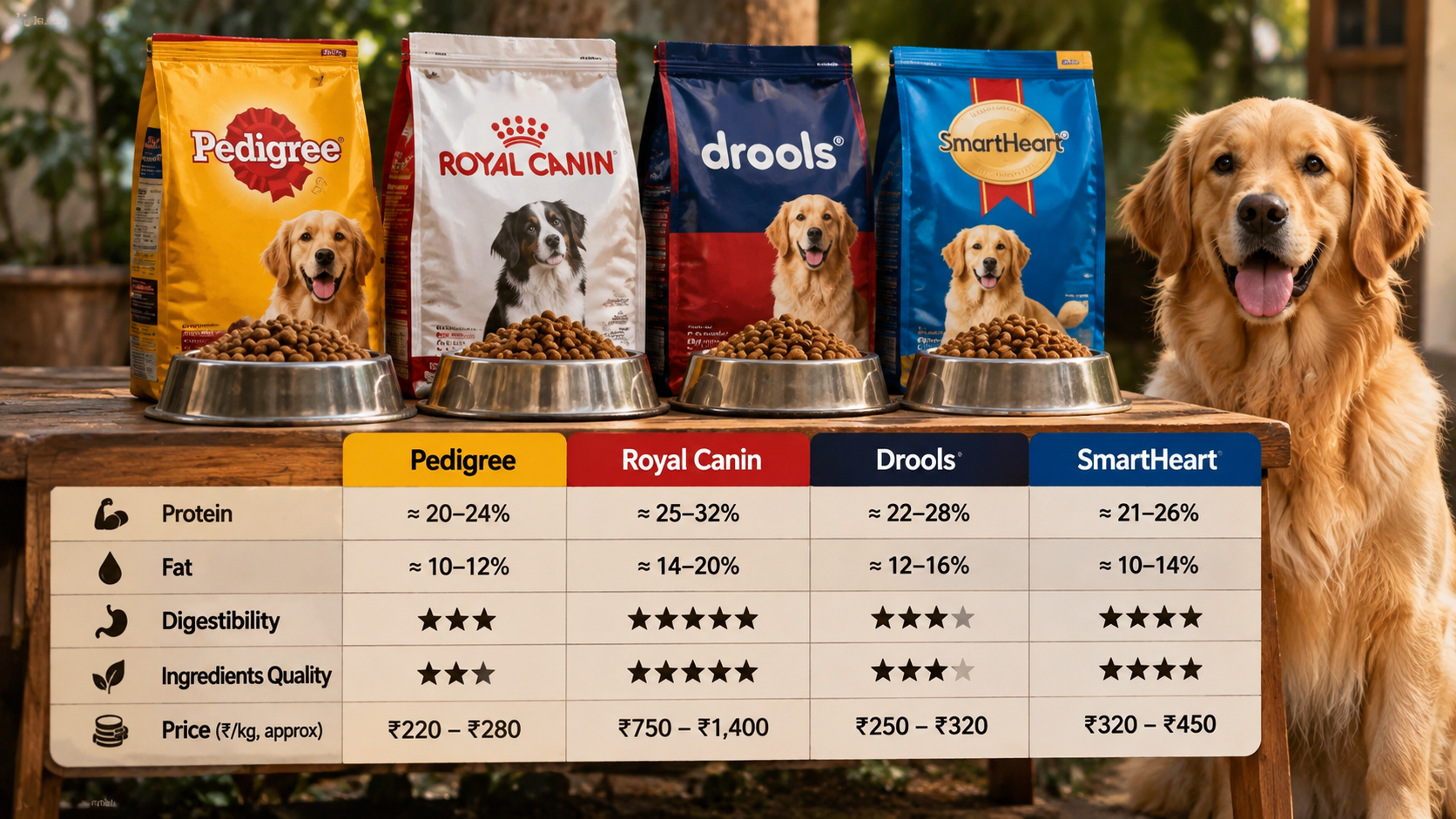
Look for food that provides:
- High-quality protein
- Appropriate dietary fats
- Essential vitamins and minerals
- Digestible carbohydrates
- Adequate fibre
Simply increasing the quantity of food will not necessarily improve your dog's nutrition.
The objective should be to provide a balanced diet that meets their nutritional requirements.
3. Slightly Warm Your Dog's Food
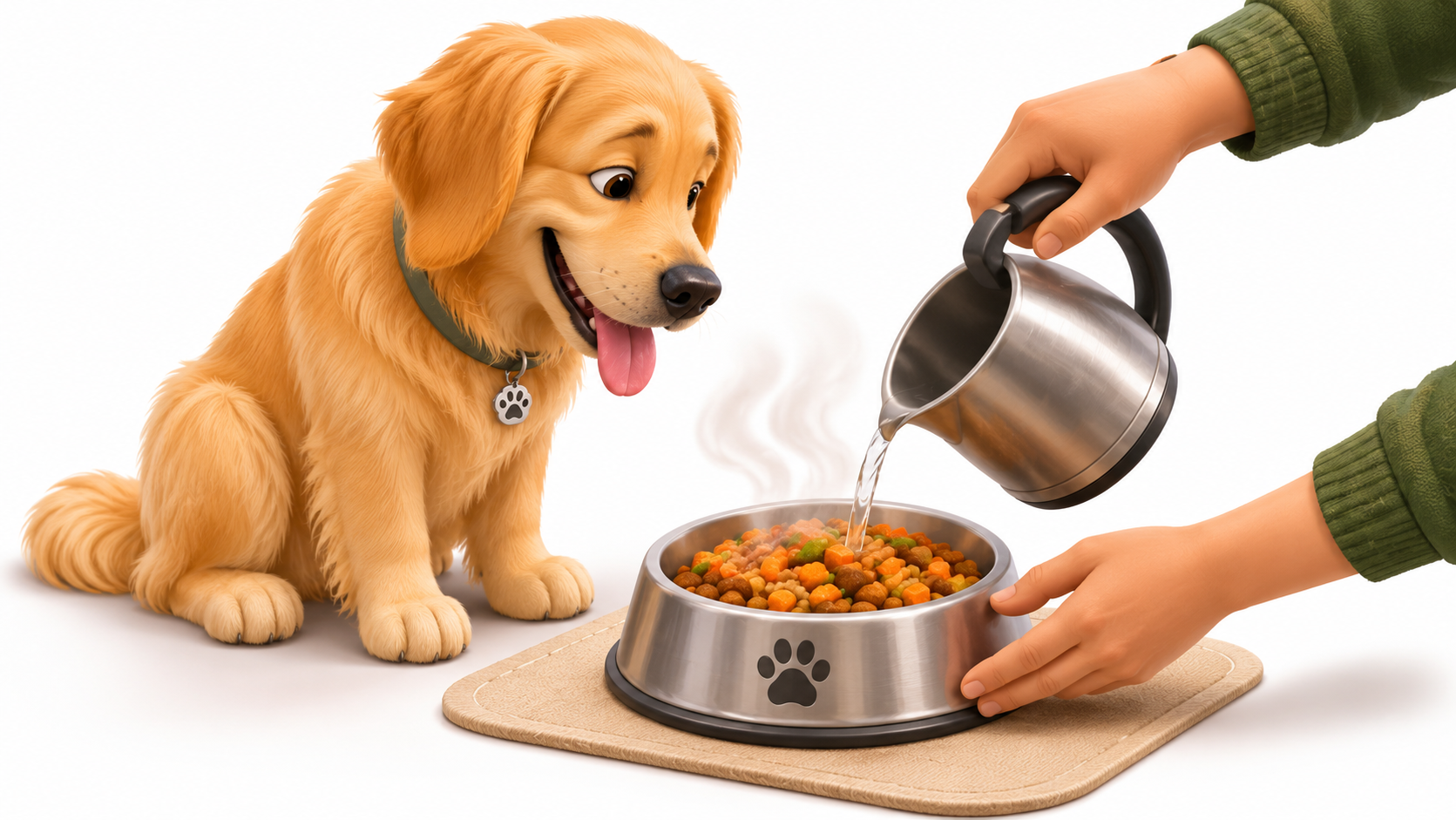
Slightly warming food can enhance its aroma and make it more appealing.
You can add a little warm water to dry kibble and allow it to soften before serving.
Make sure the food is comfortably warm, not hot.
Never serve food at a temperature that could burn your dog's mouth.
Recommended Product
Looking for a gentle grooming solution for your dog? Explore Shwané Luxe Dog Shampoo for your dog's regular grooming routine.
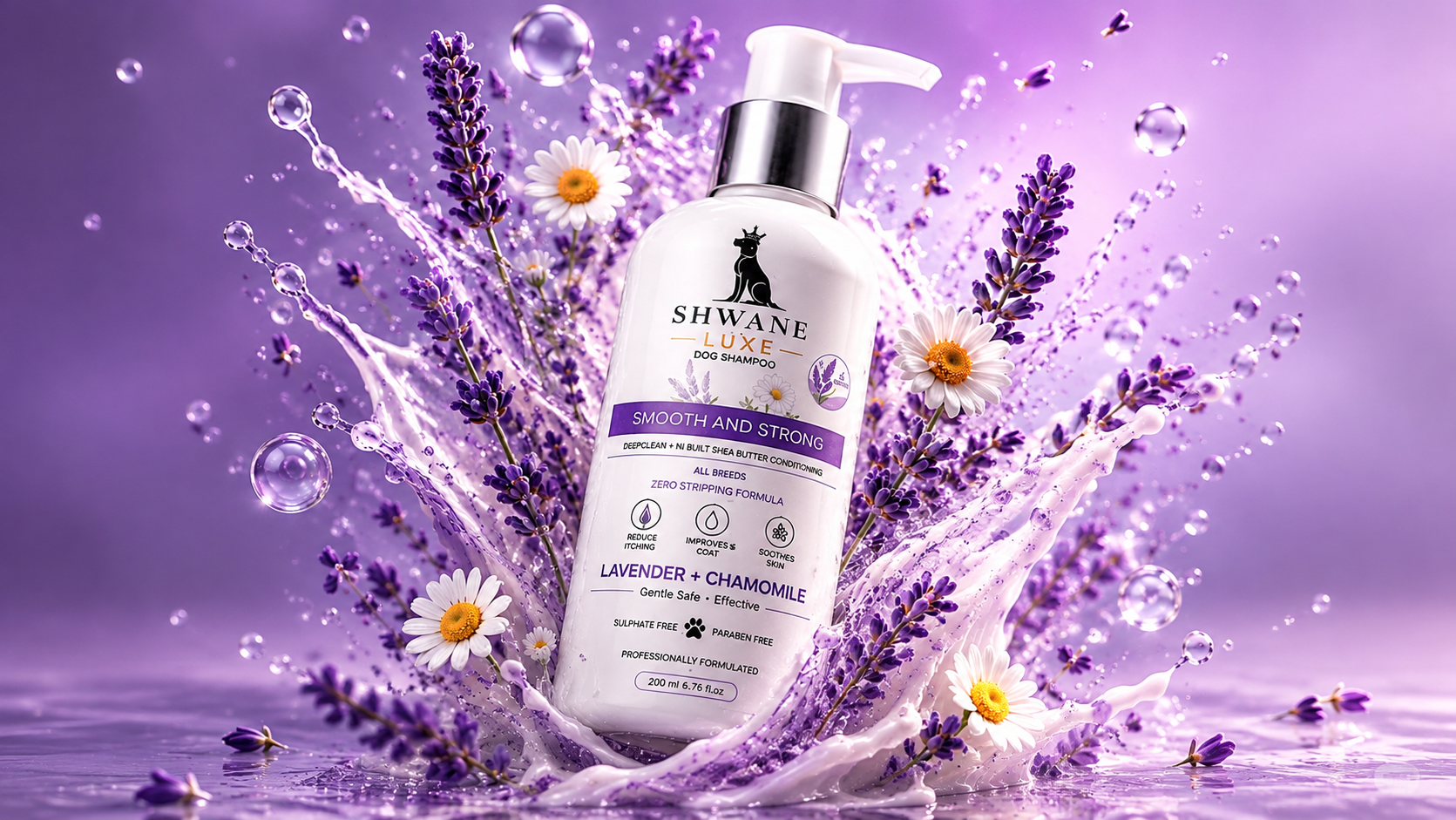
Shop Shwané Luxe Dog Shampoo – Buy Now @ https://www.shwaneluxe.com/product
4. Add Healthy Food Toppers
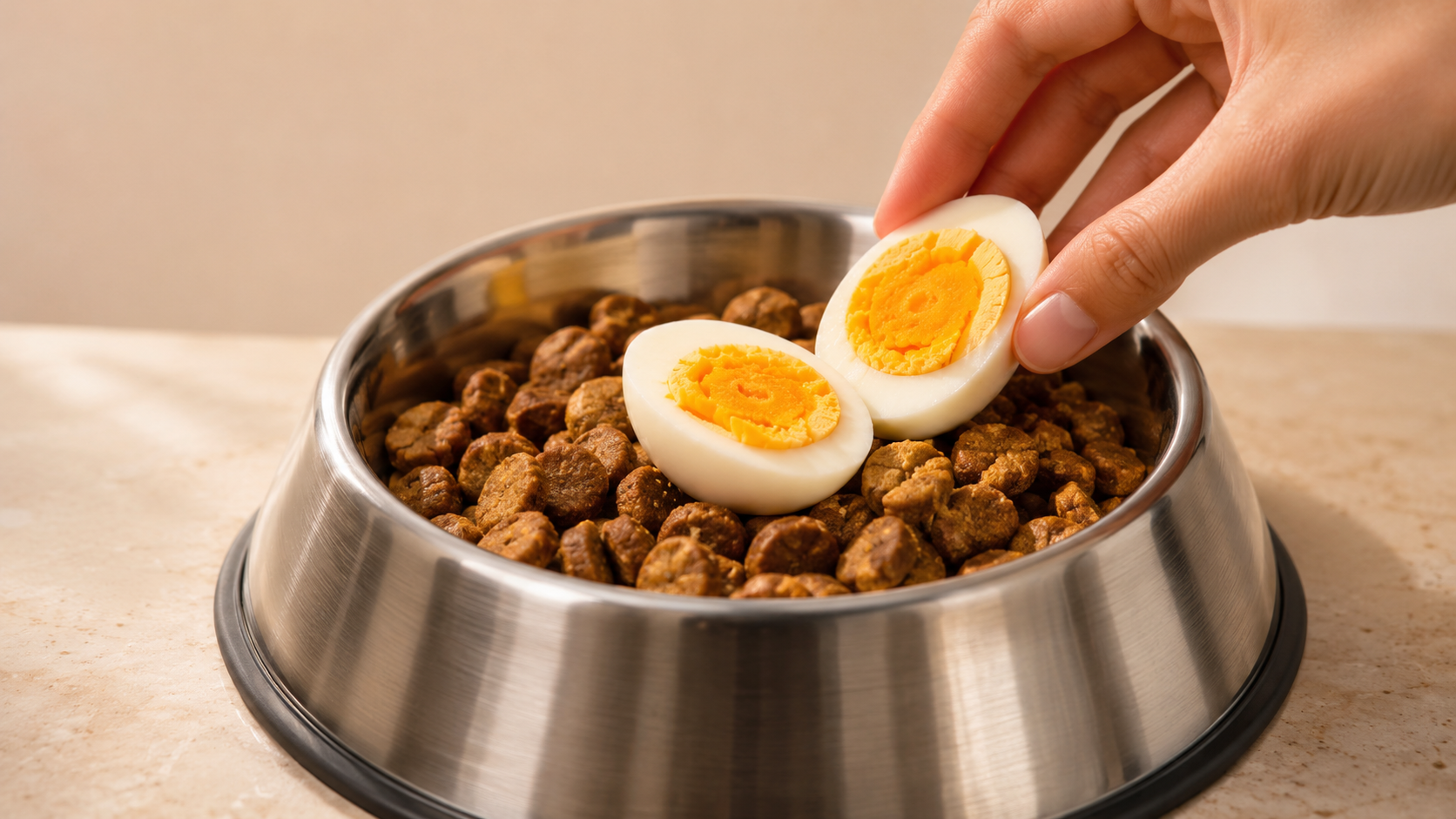
Food toppers can make regular meals more interesting.
Depending on your dog's dietary requirements and tolerance, you can consider small quantities of:
Boiled Eggs : Eggs provide high-quality protein and several essential nutrients. Serve fully cooked eggs without salt, butter, or seasoning.
Plain Pumpkin : Cooked, unseasoned pumpkin provides dietary fibre and can be useful as a small addition to an appropriate diet.
Plain Paneer : Small quantities of plain paneer may be suitable for dogs that tolerate dairy products. Avoid it if your dog experiences digestive discomfort from dairy.
Plain Cooked Oats : Properly cooked, unseasoned oats can provide carbohydrates and soluble fibre.
Important :These foods are additions, not complete meals. Keep treats and toppers within approximately 10% of your dog's daily calorie intake unless your veterinarian advises otherwise.
5. Encourage Regular Physical Activity
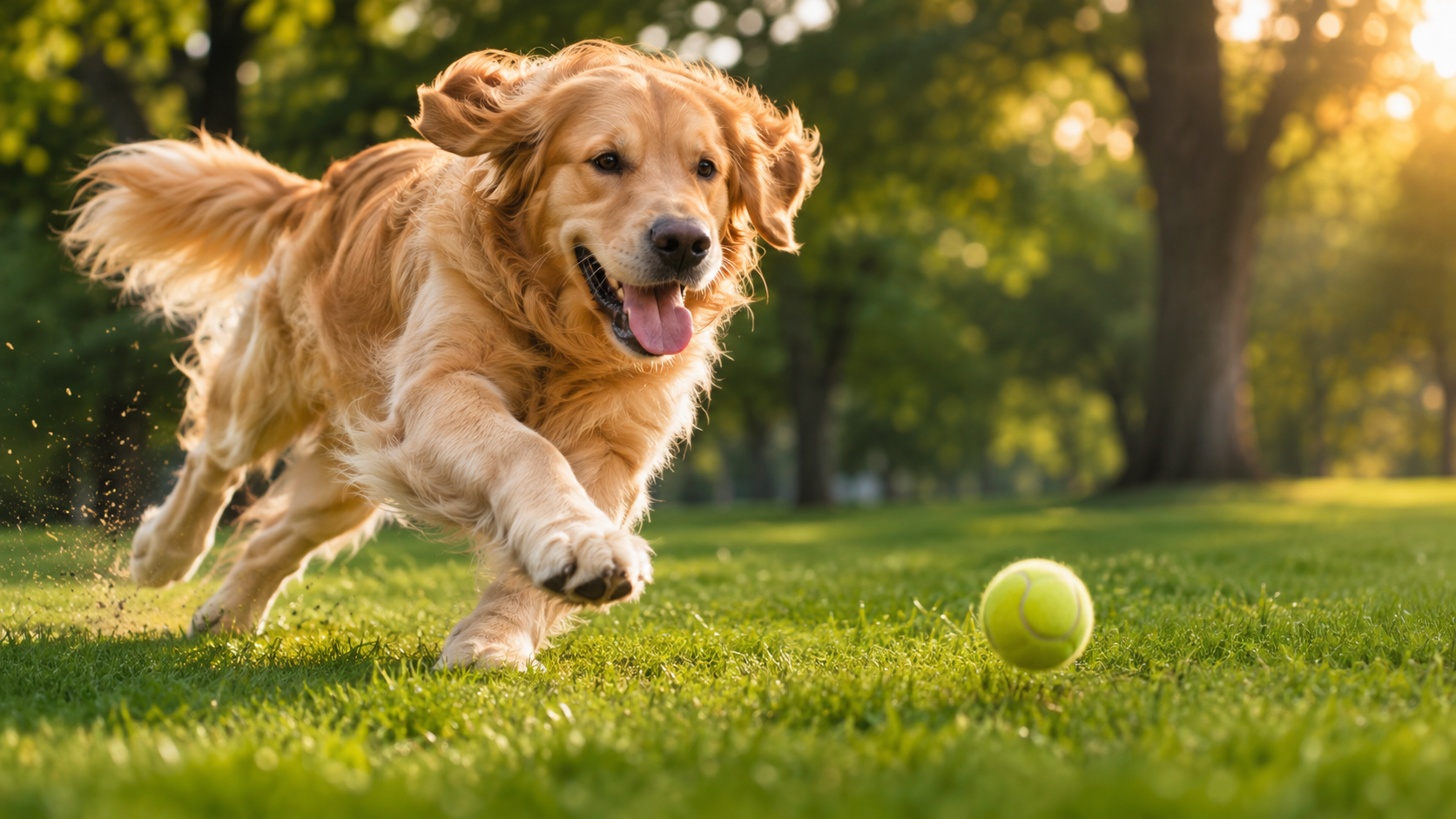
Physical activity supports overall health and can help establish a healthy daily routine.
A suitable walk, play session, or interactive activity may encourage some dogs to eat more comfortably after exercise.
However, exercise requirements differ according to breed, age, fitness, and medical condition.
Avoid intense exercise immediately before or after meals, particularly in dogs at risk of gastric dilatation-volvulus (bloat).
6. Reduce Unnecessary Treats
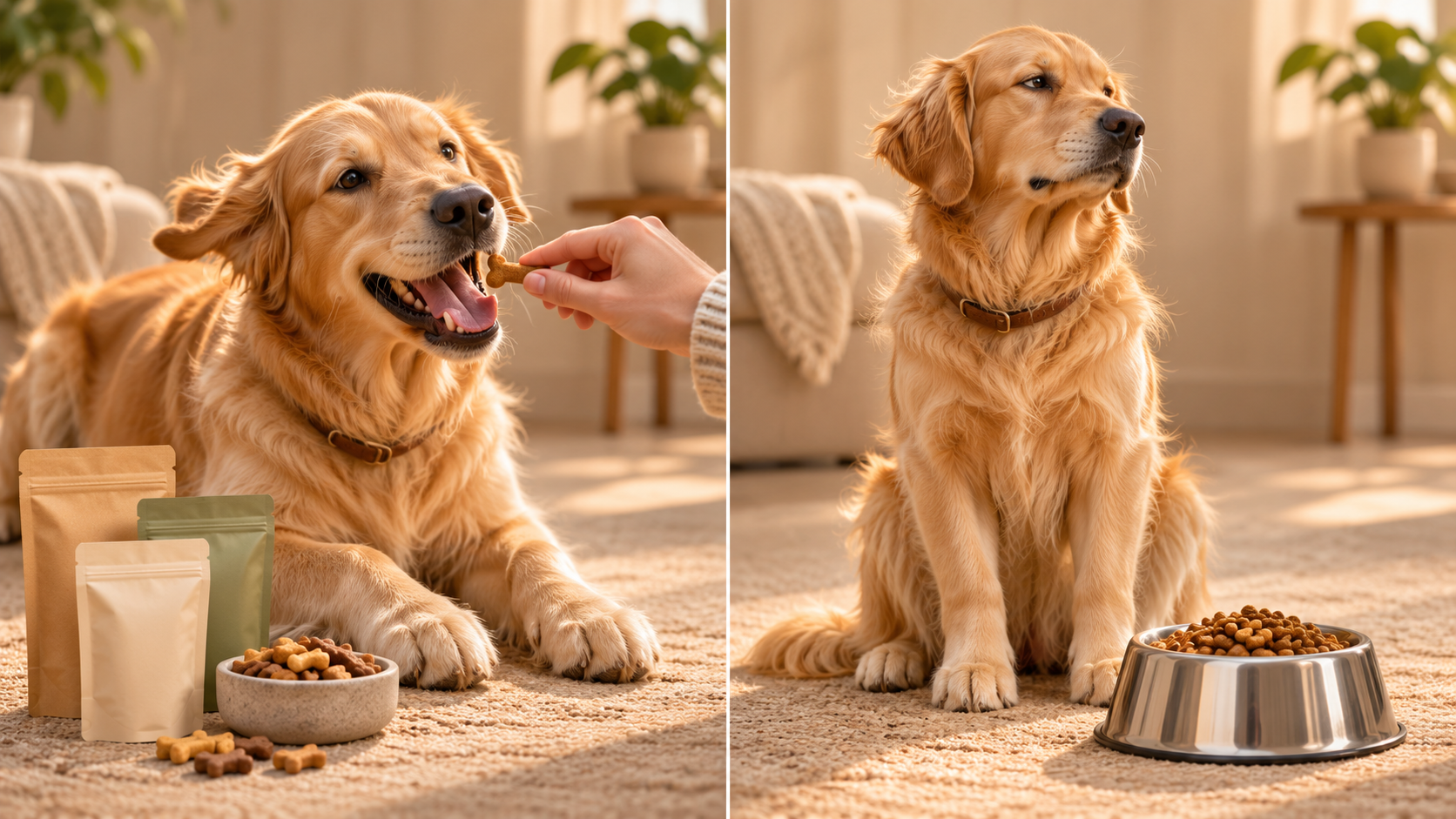
If your dog refuses regular meals but accepts treats, it may be time to review their snack intake.
Treats are often more calorie-dense than owners realise.
Too many snacks can reduce the appetite for complete meals and contribute to weight gain.
Use treats strategically for training rather than offering them every time your dog asks for food.
7. Create a Comfortable Feeding Environment
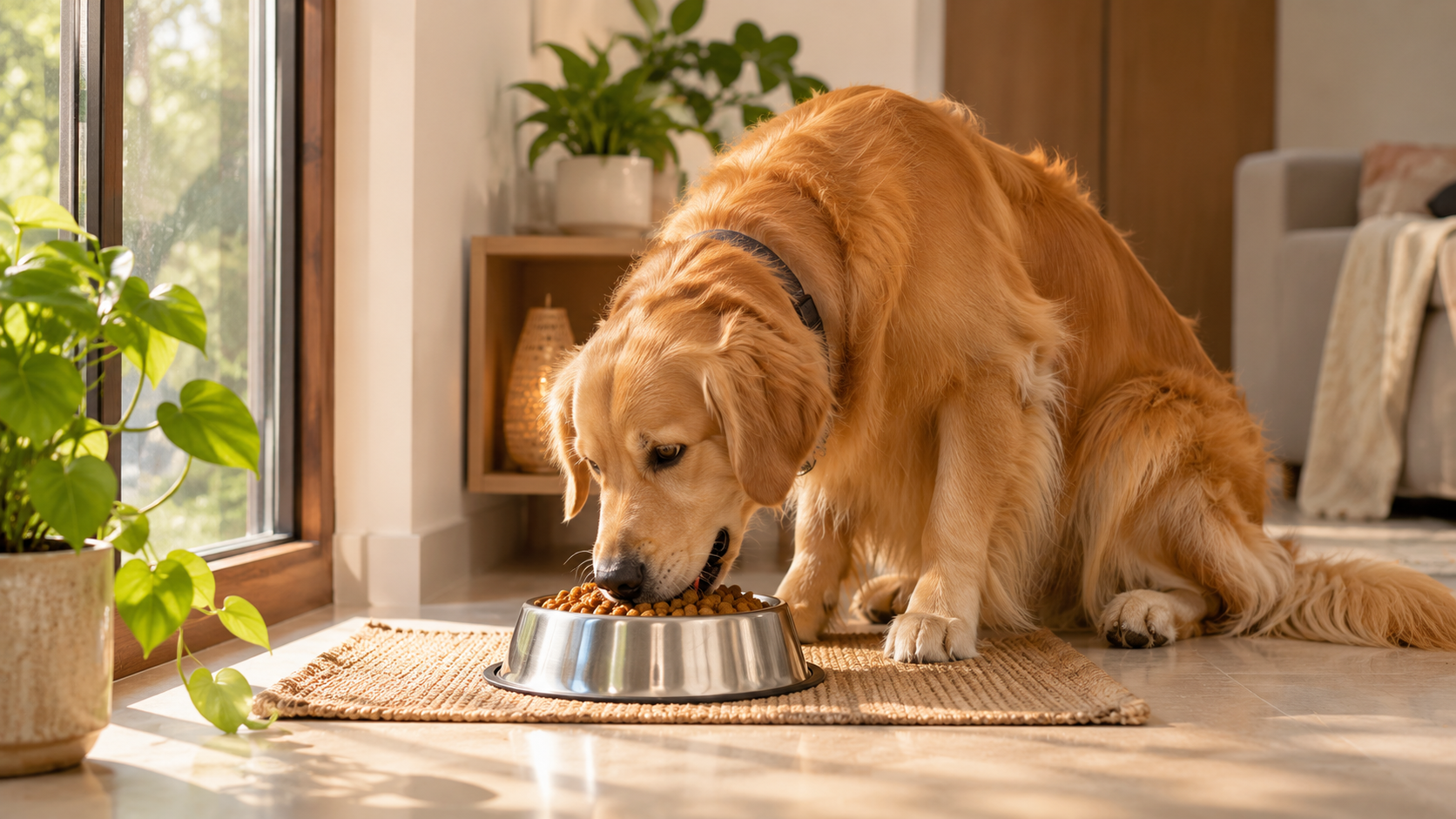
Your dog's feeding area should be clean, quiet, and free from unnecessary distractions.
Some dogs may eat less when:
- Other pets compete for their food.
- Children disturb them during meals.
- Their feeding area is noisy.
- Their food bowl is uncomfortable or difficult to access.
Try offering meals in a quiet place where your dog can eat without disturbance.
8. Try Different Food Textures
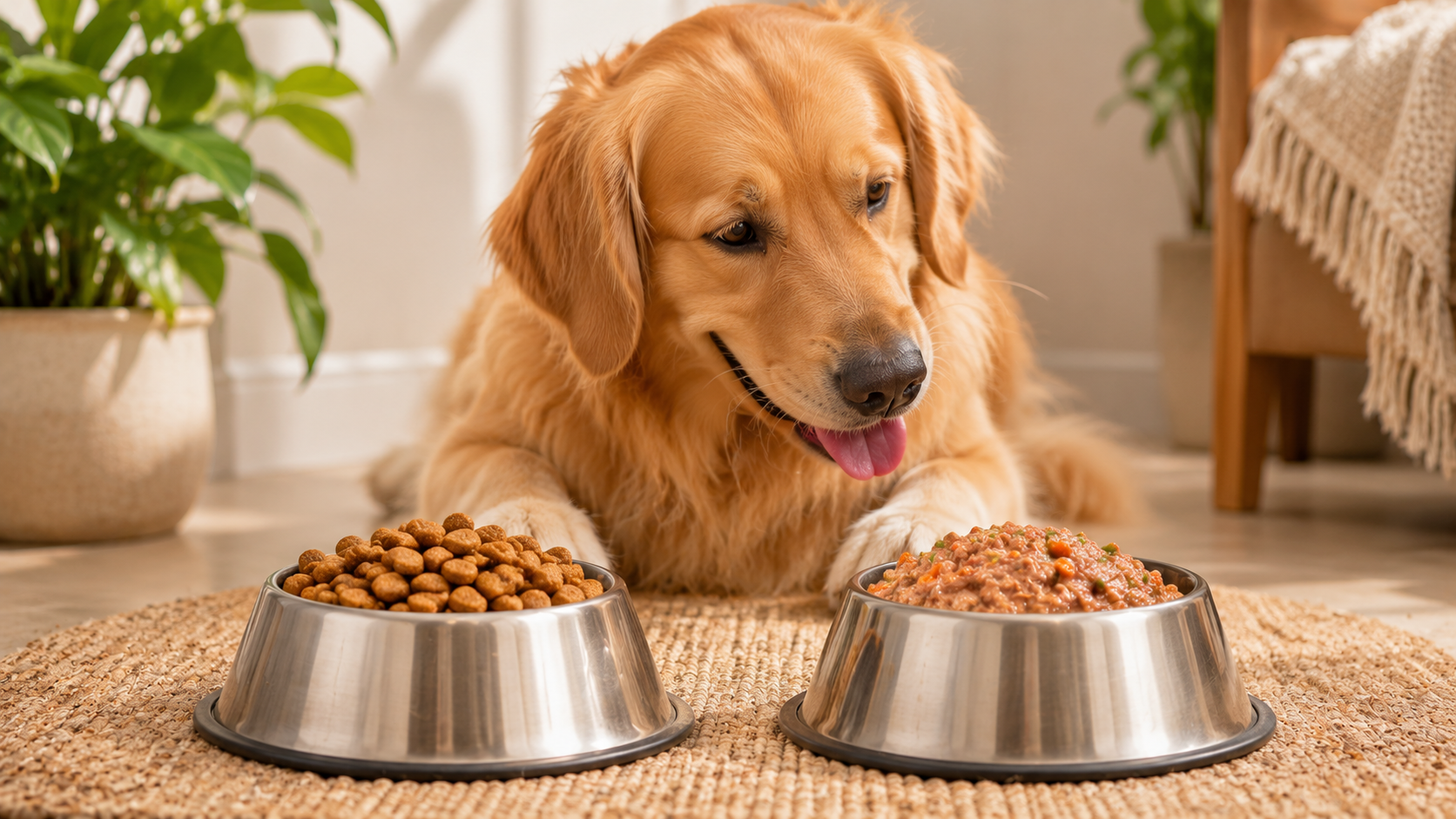
Some dogs prefer wet food, while others enjoy dry kibble.
If your dog is healthy but consistently refuses a particular texture, you can discuss suitable alternatives with your veterinarian.
You may also try mixing a small amount of an appropriate complete wet food with dry food.
Avoid making multiple changes simultaneously. Introduce one change at a time so you can understand what works.
9. Monitor Your Dog's Daily Food Intake
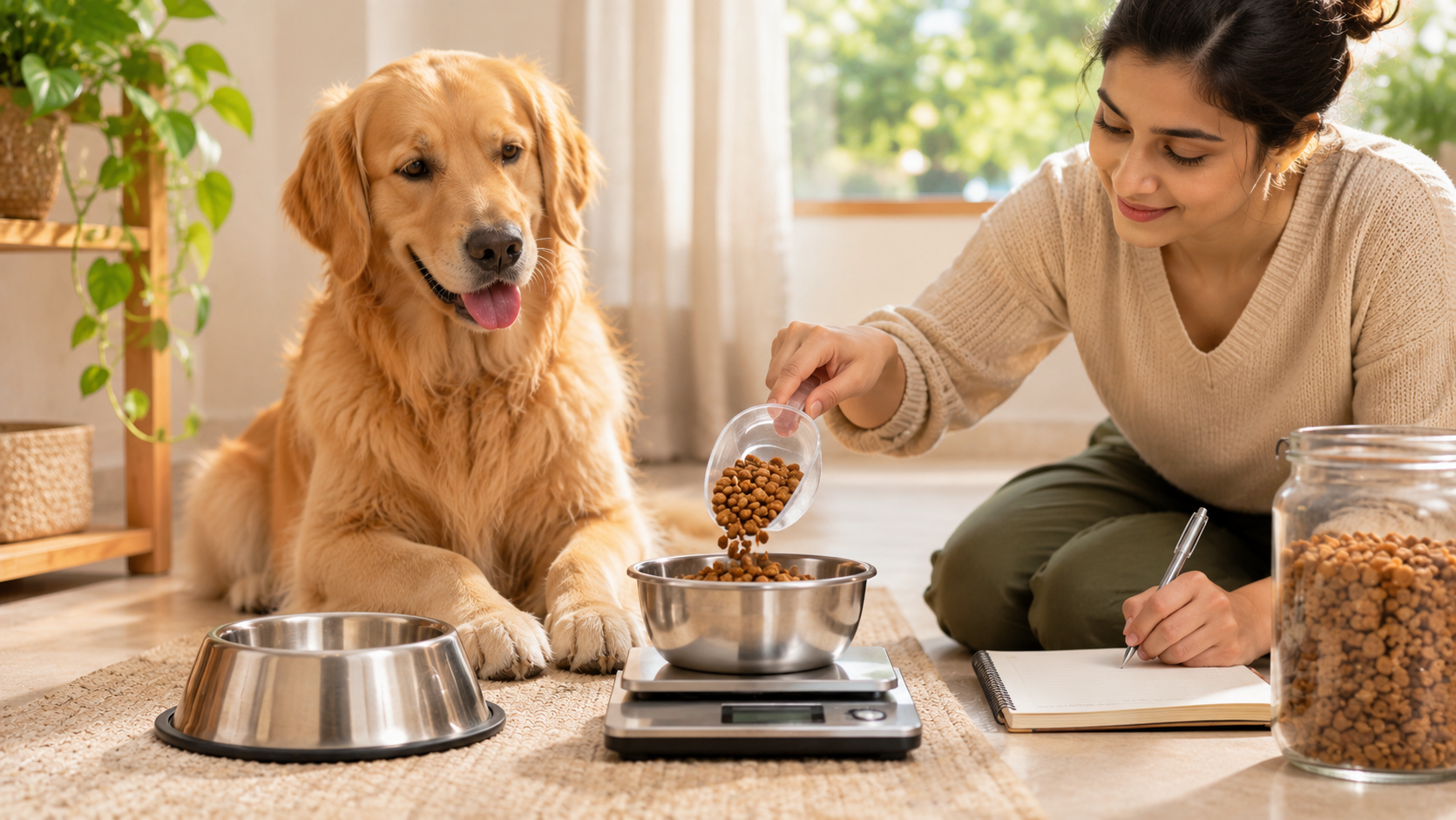
Sometimes owners believe their dog is eating too little without measuring the actual amount.
Measure the daily food portion according to your dog's calorie requirements and the feeding guidelines of the chosen food.
Monitor:
- Daily food consumption
- Body weight
- Energy levels
- Stool consistency
- Water intake
If your dog is consistently losing weight despite eating, consult a veterinarian.
10. Maintain Proper Health and Preventive Care
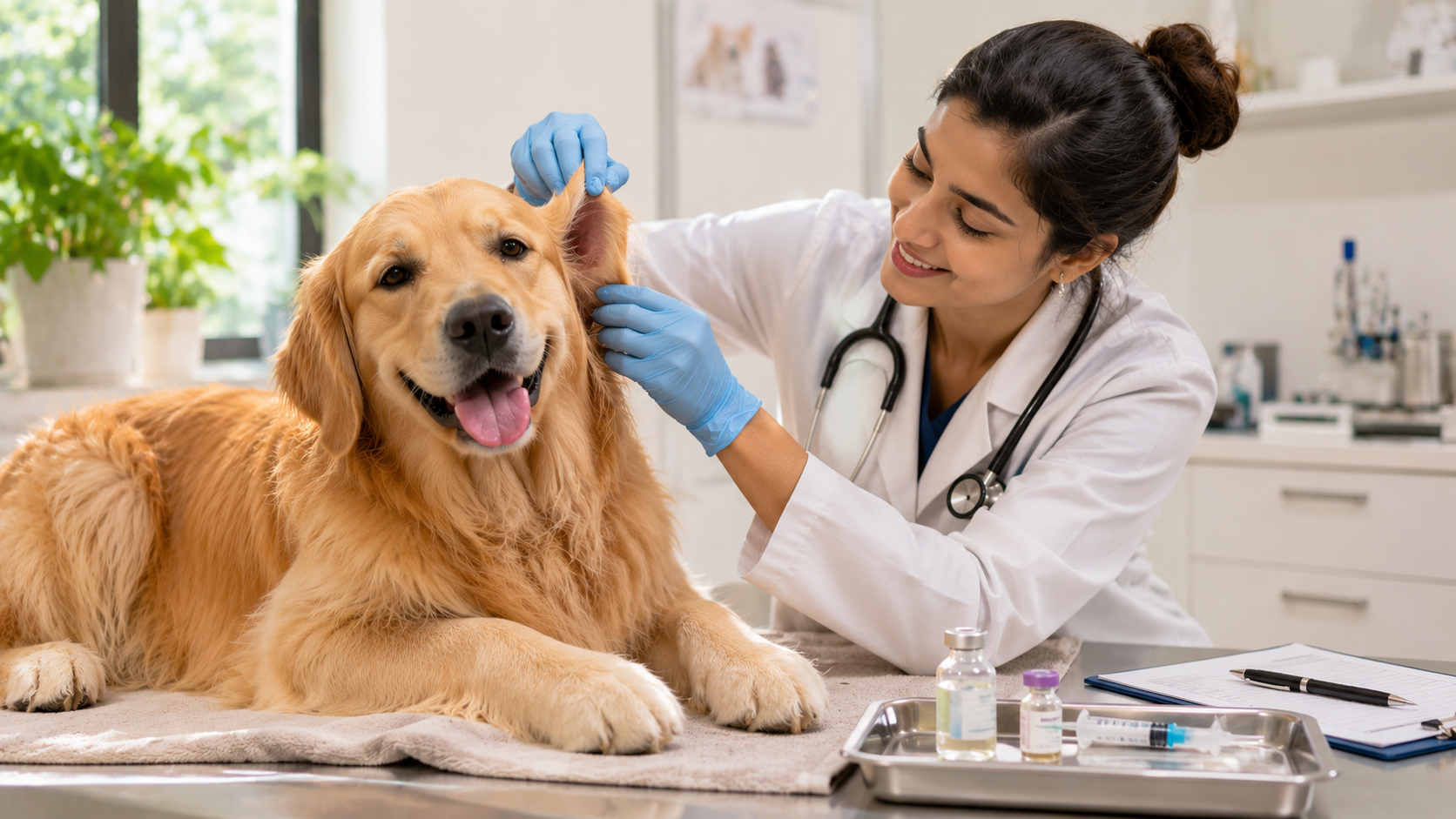
A healthy appetite is closely connected to overall well-being.
Regular veterinary examinations, dental care, appropriate vaccination, parasite prevention, and a balanced diet are important parts of responsible dog care.
Deworming schedules should be based on your dog's age, lifestyle, local parasite risks, and veterinary advice.
If appetite changes repeatedly, investigate the cause rather than continuously switching foods.
Which Foods Can Help Increase Dog Appetite?
If your dog is healthy but a little fussy about food, certain ingredients may improve the smell, taste, and texture of meals.
Here are five options that can be considered in appropriate quantities:
Food and their Potential benefits
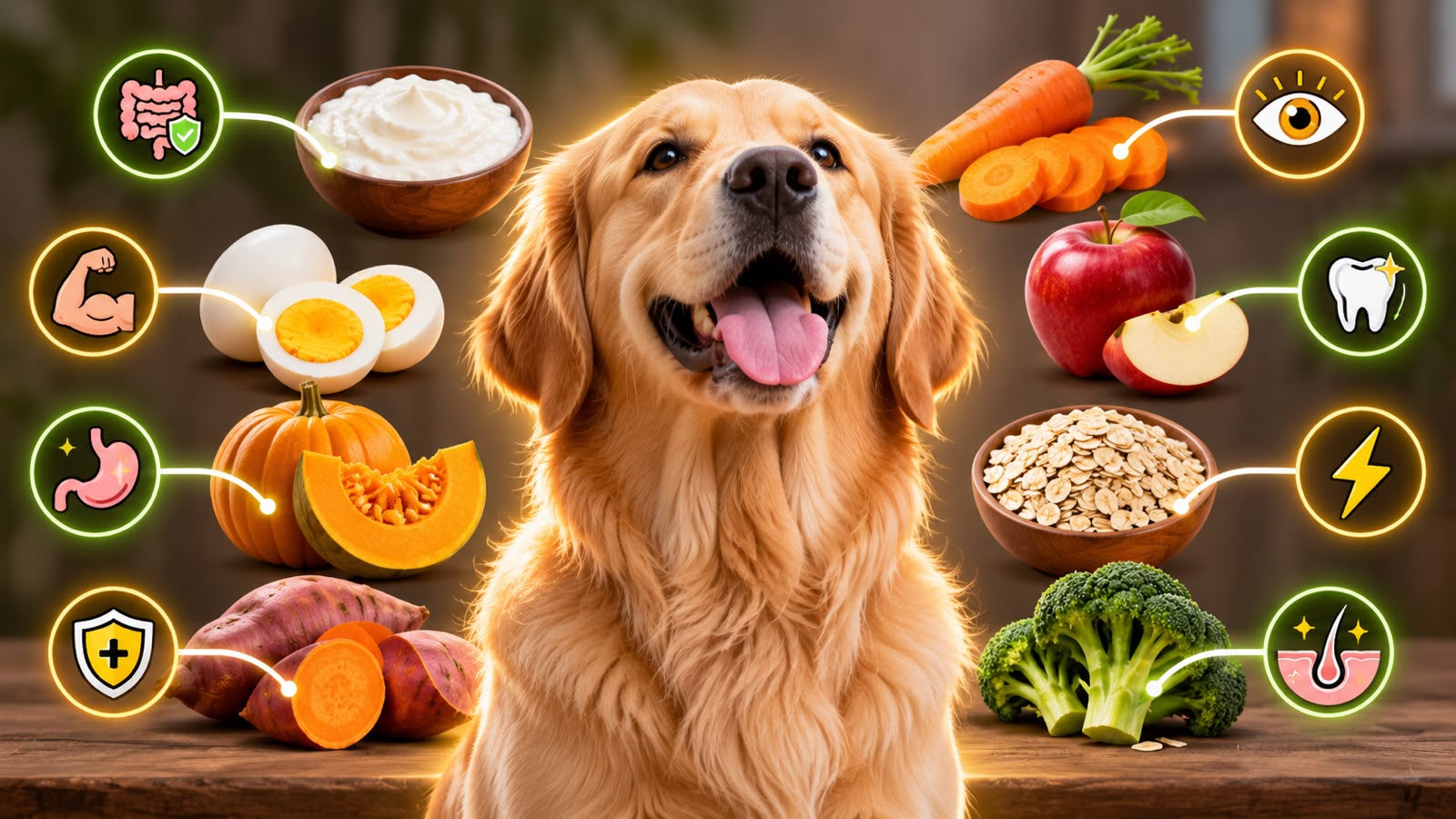
Boiled eggs : High-quality protein Pumpkin :Dietary fibre Plain oats : Carbohydrates and soluble fibre Plain paneer : Protein and calcium Complete wet dog food : Increased moisture and palatability
Remember that no single food works for every dog.
The best food depends on your dog's nutritional requirements, allergies, digestive tolerance, and overall health.
What Should You Avoid Giving a Dog to Increase Appetite?
Trying to make food more delicious should never compromise your dog's safety.
Avoid adding:
- Onion and garlic
- Excessive salt and spices
- Chocolate
- Grapes and raisins
- Xylitol-containing products
- Cooked bones
- Excessively fatty or oily foods
Also, avoid repeatedly adding rich human foods to every meal. This can encourage selective eating and create nutritional imbalances.
Never give human appetite stimulants or veterinary medications without consulting a veterinarian.
When Should You Visit a Veterinarian?
This is one of the most important things every dog parent should understand.
A loss of appetite is not always a behavioural problem.
Contact your veterinarian promptly if your dog:

- Suddenly refuses food.
- Shows vomiting or diarrhoea.
- Becomes unusually tired or weak.
- Experiences unexplained weight loss.
- Shows signs of dental or abdominal pain.
- Has difficulty chewing or swallowing.
- Drinks significantly more or less water than usual.
A dog that has not eaten for more than 12 hours should receive prompt veterinary attention according to VCA Urgent Care guidance. Puppies, diabetic dogs, senior dogs, and dogs with existing medical conditions may require earlier assessment.
Repeated vomiting, a swollen abdomen, unsuccessful attempts to vomit, collapse, or breathing difficulties require emergency veterinary attention.
Do not wait for home remedies to work when warning signs are present.
Frequently Asked Questions (FAQs)
1. How can I increase my dog's appetite naturally?
If your dog is healthy, try maintaining fixed mealtimes, reducing unnecessary treats, offering suitable food toppers, slightly warming food, and providing regular exercise. If appetite loss is sudden or persistent, consult a veterinarian.
2. Why does my dog eat treats but refuse dog food?
Your dog may prefer the smell and taste of treats. Frequent snacking can also reduce hunger during regular meals. However, dental discomfort and other medical problems should be ruled out.
3. Are boiled eggs good for dogs with low appetite?
Fully cooked, plain eggs can be offered in small quantities to many healthy dogs. They provide high-quality protein, but should not replace a complete and balanced diet.
4. Should I change my dog's food if they are not eating?
Not immediately. First identify why your dog is refusing food. If a food change is appropriate, introduce the new diet gradually and monitor digestion.
5. Can worms cause loss of appetite in dogs?
Intestinal parasites can affect a dog's digestive health and nutritional status. However, appetite changes have many possible causes. Consult your veterinarian about appropriate parasite testing and prevention.
6. Is it normal for dogs to skip a meal?
Some healthy adult dogs may occasionally skip a meal. However, repeated meal refusal, sudden appetite changes, or additional symptoms should not be ignored. Puppies and dogs with medical conditions need particular attention.
Final Thoughts
Improving your dog's appetite is not just about making food tastier. It is about understanding your dog's nutritional needs, feeding habits, environment, and overall health.
Start with a consistent feeding routine, reduce unnecessary treats, offer appropriate food toppers, encourage regular activity, and monitor your dog's weight and eating behaviour.
Most importantly, remember that a sudden loss of appetite can be an early warning sign of an underlying health problem.
A healthy dog doesn't just need more food. It needs the right nutrition, at the right time, in the right quantity.
At Shwané Luxe, we believe responsible pet care begins with understanding what your dog truly needs.
Recommended Product
Looking for a gentle grooming solution for your dog? Explore Shwané Luxe Dog Shampoo for your dog's regular grooming routine.

Shop Shwané Luxe Dog Shampoo – Buy Now @ https://www.shwaneluxe.com/product